Why platforms normalise
Spotify, Apple Music, YouTube and others do not follow your peak meter; they look at average loudness, often in LUFS (Loudness Units Full Scale). If your master is hotter than their target, playback turns down — you lose punch without gain. Much softer than target? Some services boost a little, but wide dynamics still feel uneven on earbuds on the tram across Amsterdam.
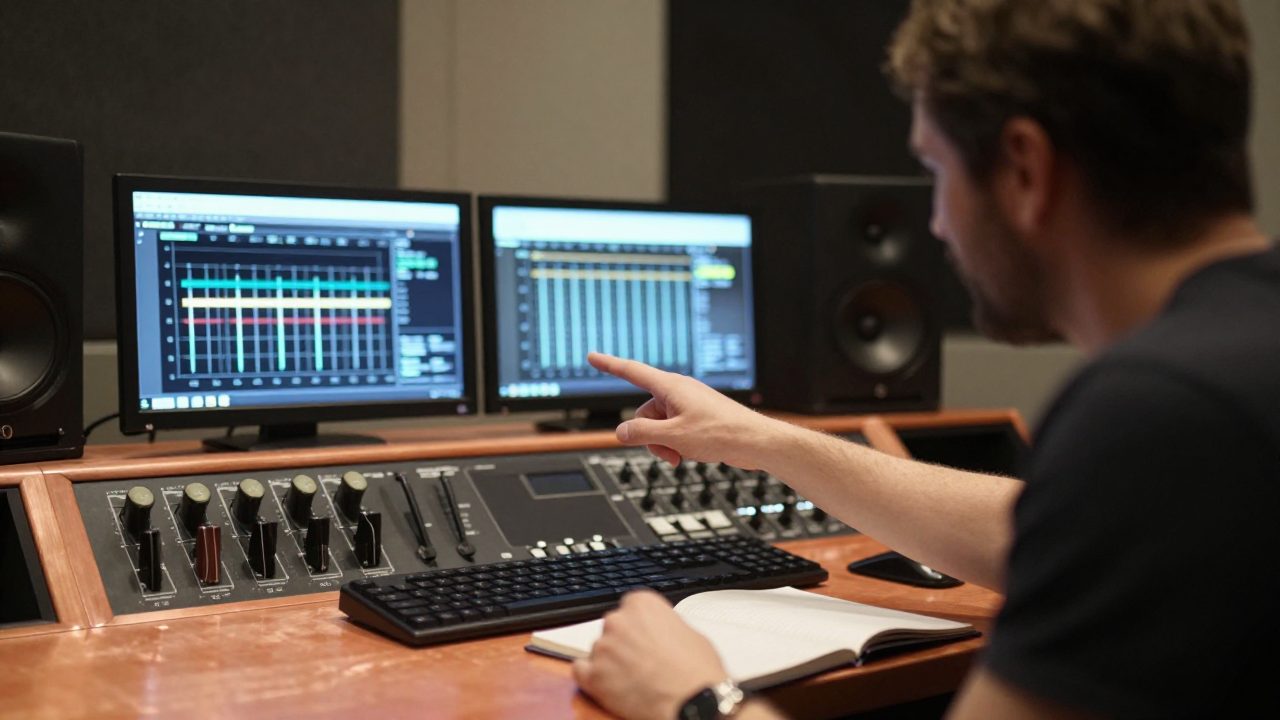
Mastering here is the last step after a balanced mix: €85 per track, €360 for an EP up to six songs, €640 for an album up to twelve. We work in a 24 m² control room with more than one monitor pair so decisions are not tied to a single speaker.
Integrated LUFS versus momentary
Integrated LUFS describes the whole song; momentary and short-term meters show where choruses push energy. Pop, rap and electronic releases often sit near common streaming targets; jazz, classical and ambient may stay deliberately more dynamic. We align with your genre and references, not an arbitrary ceiling on the meter.
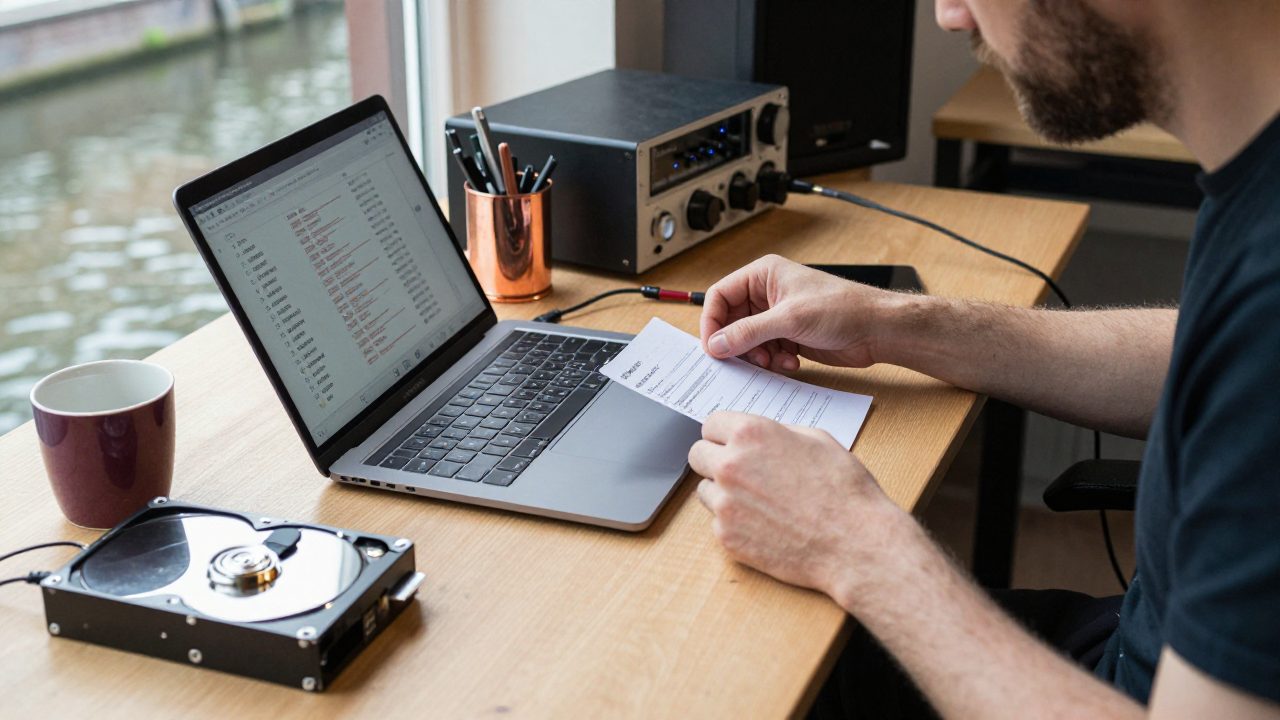
Send a few tracks that match the tone and loudness you want — optional, but it speeds the first pass. Deliver mix files as 24-bit WAV without a limiter on the mix bus when possible; see delivering stems for mixing if you are still exporting from multitracks.
True peak and post-encode clipping
Inter-sample peaks can clip when AAC or MP3 is created, even if the DAW never crosses 0 dBFS. Mastering leaves true peak enough headroom for safe encoding. That matters when you also export video or social clips beside audio-only release.
If you already limited the mix, say so — we may ask for an alternate mix without bus processing. Two revision rounds within 2 feedback cycles are standard; small level tweaks usually fit there, arrangement changes do not.
Album versus single
EPs and albums need consistency across tracks: gaps, perceived loudness and tonal balance should feel like one sequence. Singles can feel a touch more aggressive, but a collection should not sound like a different engineer per song. EP and album rates reflect that extra listening.
Book mastering after mixes are final. Last-minute vocal swaps after master mean re-rendering and lost time. Session archives follow terms for 18 months; keep your own gold master in more than one place.
Podcast and music: different jobs
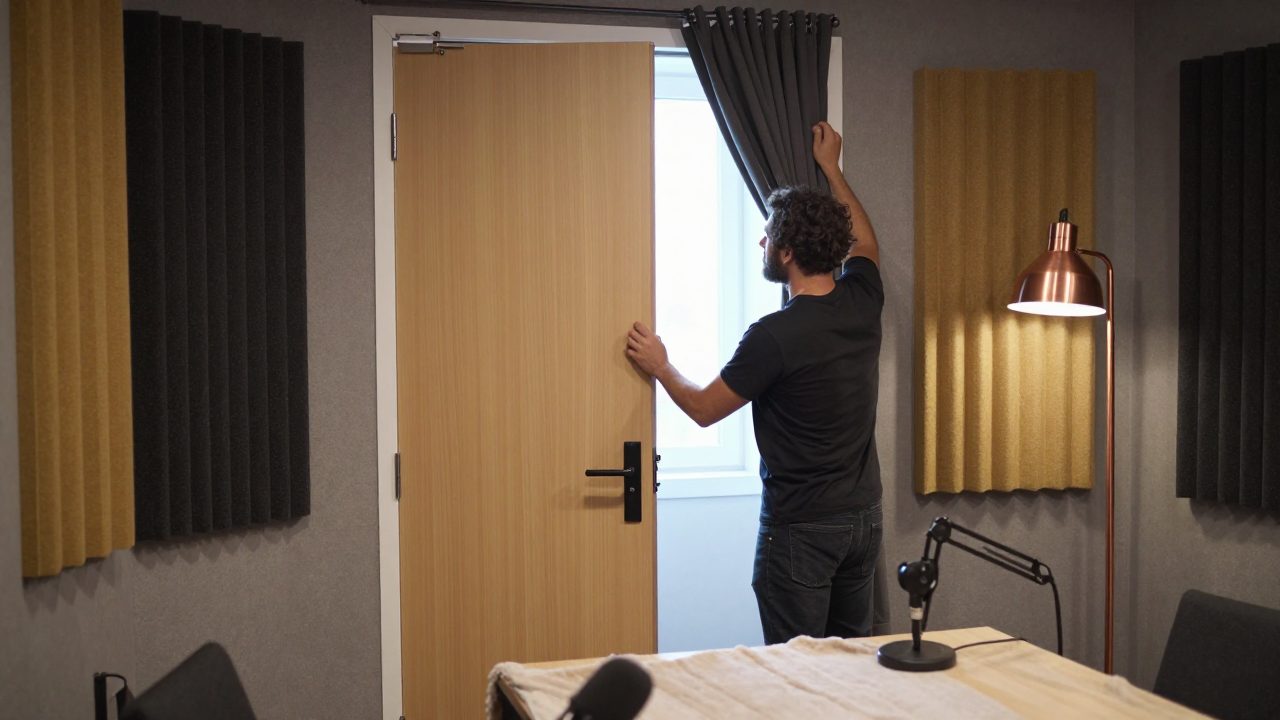
Podcast platforms use different loudness conventions than music; speech must stay intelligible without music aggression. If your show mixes intro music with talk, solve that in mix, not only at master. Table recording starts at podcast recording; quiet-room habits are in keeping the podcast room quiet.
Ad voice-over may need tighter loudness than longform interview; tell us via contact so we pick the right profile.
What we deliver
You receive masters meant for digital distribution: WAV at common bit depth and sample rate, plus short notes on peak and loudness readings as we measured them. That is not legal advice on sample clearance — that stays between you and your distributor.
VAT on invoices follows the Dutch 21% rate where applicable; companies with a valid ID state it on the order. Business payment terms may run 21 days per terms.
Prepare in the mix
Leave headroom on the mix bus; a brickwalled mix gives mastering little room. Check mono compatibility of bass and kick on small speakers — normalisation exposes phone playback issues. Export once with care instead of dither on every stem.
Unsure the mix is ready? Book an hour of mixing in studio (€122) before you commit to master. Vocal-led projects often start at vocal recording and finish here.
Book a session
Send tracklist, target release date and platforms via [email protected] or the contact form. We confirm price from track count and complexity. General meter questions also sit in FAQ; for deep technical listening you are welcome by appointment within Mon–Fri 9:30–18:30, Sat 12–17.
Disclaimer: platform algorithms change; we follow common professional practice as of 14 October 2026, without promising chart placement or stream counts. See disclaimer for general limits on site information.